
Poetiche del lutto.
Voci (non solo) femminili
Judith Kasper in conversation with Gabrielle Gamberini
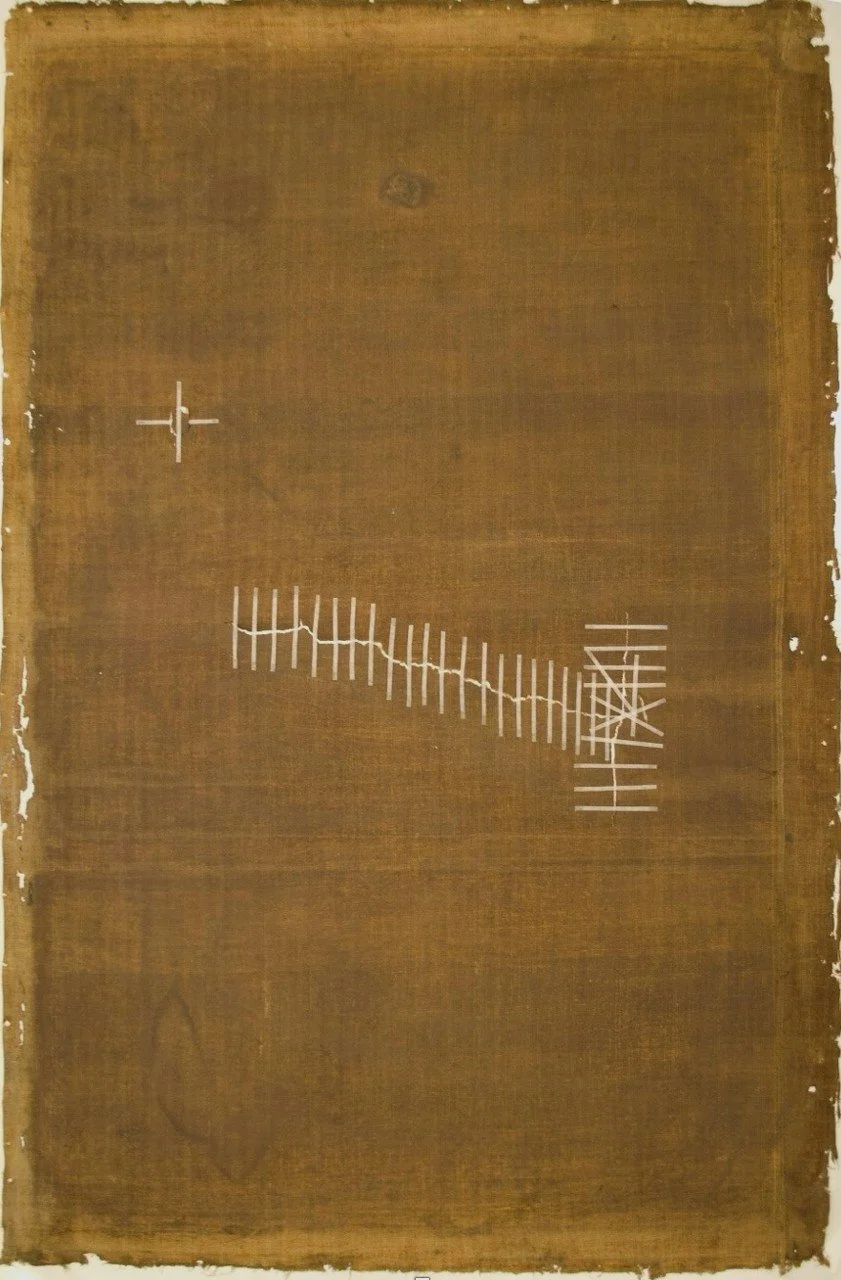
Poetics of Mourning: Voices (Not Only) of Women
(English)
October 9th , 16th and 23rd from 6 to 7:30 pm, in Italian.Over the course of three sessions, Gabrielle Gamberini (author and translator) and Judith Kasper (Professor of Comparative Literature) are inviting you to reflect on the spatiotemporal dimension of mourning—an essential cultural practice and personal challenge that has increasingly been lost in modern and postmodern life.
Drawing on the work of Sigmund Freud, who coined the concept of “the work of mourning”, we will explore literary texts and contemporary essays (by Roland Barthes, Joan Didion, Delphine Horvilleur, Anne Carson, and others) in which individuals, having endured the profound pain of losing a loved one, gradually rediscover a joy of living that is as strange as it is unexpected.Poetiche del lutto. Voci (non solo) femminili
Poetiche del lutto. Voci (non solo) femminili
(italiano)
9, 16 e 23 ottobre, dalle 18:00 alle 19:30, in italiano.
Durante un ciclo di tre incontri Gabrielle Gamberini (scrittrice e traduttrice) e Judith Kasper (docente di letteratura comparata) invitano a riflettere sulla dimensione spazio-temporale del lutto, pratica culturale e sfida personale essenziale, che nella vita moderna e postmoderna, si è sempre più persa.
A partire dalla lettura di Sigmund Freud a cui risale il concetto di “lavoro di lutto”, scopriremo testi appartenenti alla letteratura e alla saggistica contemporanee (testi di Roland Barthes, Joan Didion, Delphine Horvilleur, Anne Carson et al.) in cui le persone attraversano zone di dolore estremo dopo la perdita di un essere amato, scoprendo pian piano una nuova inaspettata, a volte strana, gioia di vita.
Poétiques du deuil. Voix (non seulement) de femmes
(Français)
Les 9, 16 et 23 octobre, de 18 h à 19 h 30, en italien.Au cours d’un cycle de trois rencontres, Gabrielle Gamberini (autrice et traductrice) et Judith Kasper (professeure de littérature comparée), vous inviteront à réfléchir à la dimension spatio-temporelle du deuil, une pratique culturelle et un défi personnel essentiels qui se sont de plus en plus perdus dans la vie moderne et postmoderne.
À partir de la lecture de Sigmund Freud, qui a forgé le concept de « travail du deuil », nous découvrions des textes littéraires et des essais contemporains (de Roland Barthes, Joan Didion, Delphine Horvilleur, Anne Carson et al.) où, après avoir vécu la douleur extrême d’avoir perdu un être cher, les personnes redécouvrent, peu à peu, une joie de vivre autant étrange qu’inattendue.